
The Return Of The Human Factor
World War ZThis flow traces how private memory transforms military history into a moral record of survival.
increasing Bearing strength in each event
 decreasing
Bearing strength in each eventdecreasingCold Statistics
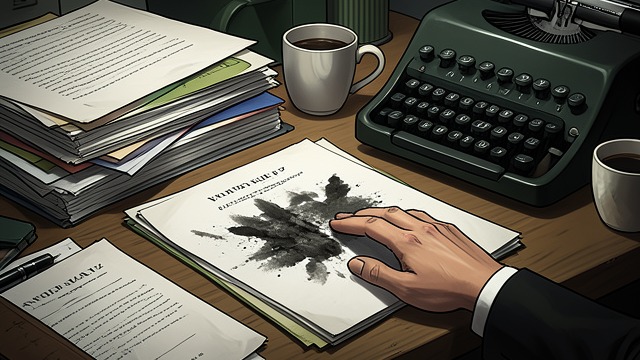
Cold Statistics
Official Method
The commission prefers casualty counts, timelines, and measurable outcomes.
Limitation
Such facts explain what happened but not what it felt like.
Tension
The narrator challenges the assumption that emotion contaminates historical truth.
Survivor Voices
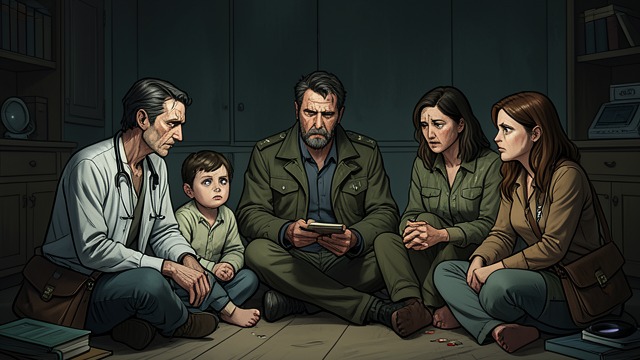
Survivor Voices
Witnesses
Doctors, soldiers, refugees, prisoners, workers, and children describe the war from incompatible positions.
Contradiction
Their accounts disagree in detail but converge in human consequence.
Method
Plural testimony becomes a form of evidence no single official report can replace.
Uncomfortable Complicity
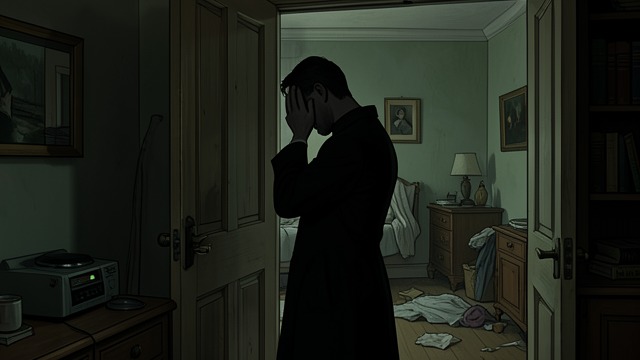
Uncomfortable Complicity
Admission
Witnesses confess to abandonment, profiteering, silence, revenge, and survival crimes.
Responsibility
The interviews resist dividing history into innocent victims and pure villains.
Meaning
Humanity survives partly through choices it cannot celebrate.
Shared Memory
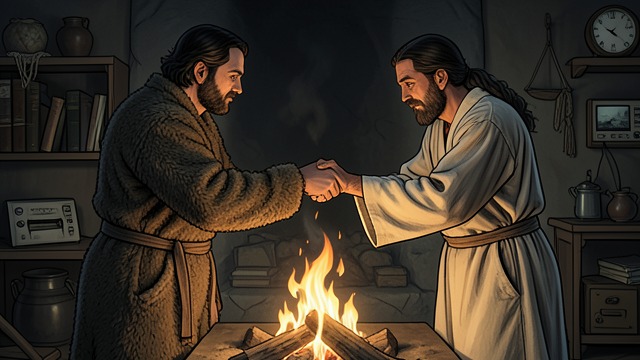
Shared Memory
Connection
Distant survivors recognize common patterns in hunger, fear, duty, and grief.
Community
The war produces a shared vocabulary across nations that once misunderstood one another.
Risk
Peace may eventually weaken the memory that made cooperation possible.
The Living Record
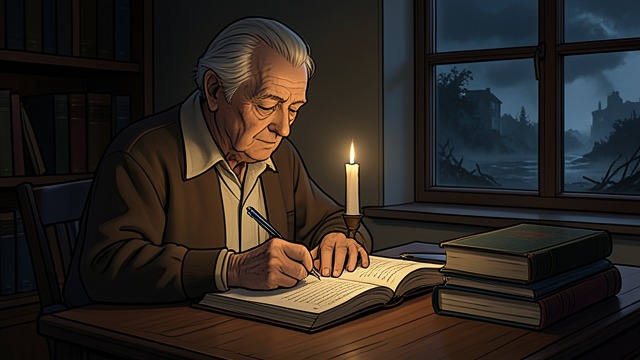
The Living Record
Preservation
The narrator publishes stories before age and trauma erase them.
Warning
Remembering becomes a defense against repeating denial and institutional failure.
Hope
The book’s deepest claim is that humanity remains human by carrying its dead and its truths forward.
beginning of the postwar record
during the interviews
during postwar testimony
after VA Day
final pages of the book
